The Hidden Cost of Delaying Well Pump Upgrades
Across Idaho's Treasure Valley and surrounding agricultural counties, thousands of well pump systems installed 15-20 years ago are quietly becoming expensive liabilities. While these older systems might still pump water, they're consuming more electricity, requiring frequent repairs, and operating on borrowed time before a complete failure shuts down operations.
The numbers tell the story: aging water infrastructure is driving 6% annual growth in pump service demand nationwide, with nearly 40% of service calls classified as emergency repairs. For Idaho farmers, dairy operators, and rural homeowners, that emergency status often means lost crops, disrupted livestock operations, or households without water during critical seasons.
The question isn't whether aging pump systems will need replacement—it's whether you'll upgrade on your timeline or theirs.
Recognizing When Your Well Pump System Has Aged Out
Idaho's unique operating environment puts specific stresses on well pump equipment that accelerate aging. High mineral content in groundwater across much of southern Idaho, combined with temperature extremes from Boise to Twin Falls, creates conditions that wear down pump components faster than manufacturer specifications might suggest.
Performance Indicators That Signal Aging
Modern pump systems should operate quietly and consistently. Aging equipment typically announces itself through several warning signs:
Increasing electrical consumption represents one of the clearest indicators. Older pumps work harder to maintain the same water pressure and flow rates, driving up monthly power bills. If your electricity costs have crept up without corresponding increases in water usage, pump inefficiency is likely the culprit.
Pressure fluctuations become more common as internal components wear. You might notice water pressure dropping during peak usage times or pressure tanks cycling more frequently than normal.
Frequent minor repairs often precede major failures. When service calls become routine—replacing pressure switches, fixing leaks, or addressing electrical connections—the system is telling you it's reached the end of its reliable service life.
The Cascade Effect of Component Aging
Well pump systems don't fail component by component in isolation. When one part starts struggling, it places additional stress on connected equipment. An aging pump motor forces the pressure tank to cycle more often, wearing out switches and valves. Mineral buildup in older pumps restricts flow, making control systems work harder to maintain pressure.
This cascade effect explains why emergency repairs on aging systems often reveal multiple problems simultaneously, turning what seemed like a simple fix into a complex and expensive project.
The True Economics of Proactive Upgrades
The financial argument for proactive well pump upgrades extends far beyond avoiding emergency repair costs. Modern pump systems deliver measurable improvements in efficiency, reliability, and operational control that translate directly to bottom-line savings.
Energy Efficiency Gains
New pump technology has advanced significantly over the past decade. Variable frequency drives allow pumps to adjust their output based on demand, eliminating the constant on-off cycling that wastes electricity. High-efficiency motors reduce power consumption by 15-25% compared to standard equipment installed in the early 2000s.
For a typical agricultural operation in Canyon County running pumps extensively during irrigation season, these efficiency improvements can reduce annual electricity costs by several thousand dollars.
Reduced Operational Disruptions
Modern pump systems include monitoring capabilities that provide early warning of potential problems. Smart controllers can alert you to performance changes before they become failures, allowing scheduled maintenance during convenient times rather than emergency repairs during harvest or critical growing periods.
This predictability represents significant value for agricultural operations where pump downtime directly impacts crop yields and livestock care.
Long-term Cost Predictability
New equipment comes with manufacturer warranties and known service requirements. Instead of wondering when the next expensive repair will hit, you can budget for routine maintenance on a predictable schedule. This financial predictability helps with operational planning and cash flow management.
Modern Pump Technology for Idaho Conditions
Today's well pump systems are specifically engineered to handle the challenging conditions common across Idaho's diverse water systems. Understanding these technological improvements helps explain why upgrades deliver such substantial performance gains.
Enhanced Durability Features
Manufacturers have developed specialized coatings and materials that resist mineral buildup and corrosion. These advances are particularly valuable in areas with high iron content or aggressive water chemistry common in parts of Ada, Canyon, and Gem counties.
Stainless steel components and improved sealing systems extend service life significantly compared to equipment manufactured even a decade ago.
Improved Control Systems
Modern pump controllers provide precise pressure management and system monitoring that wasn't available with older equipment. These systems can maintain consistent water pressure across varying demand levels while protecting pump motors from damaging conditions like dry running or electrical surges.
For agricultural applications, programmable controllers allow automatic scheduling of irrigation cycles and can integrate with existing farm management systems.
Scalability and Expandability
New pump systems are designed for easy expansion as water demands grow. Whether you're adding livestock, expanding cultivation, or developing additional property, modern equipment can accommodate increased capacity without requiring complete system replacement.
Strategic Timing for Well Pump Upgrades
The best time for well pump upgrades is before you need them urgently. Strategic timing allows you to take advantage of equipment availability, contractor scheduling flexibility, and potential utility rebates or financing programs.
Seasonal Considerations
In Idaho's agricultural regions, pump system upgrades work best during off-peak seasons when water demand is lower and contractors have more scheduling flexibility. Late fall through early spring provides the ideal window for major system changes without disrupting critical operations.
Planning upgrades during slower periods also allows time for proper system design and installation rather than rushing through emergency replacements.
Financial Planning Advantages
Proactive upgrades allow you to evaluate financing options and take advantage of manufacturer incentives or utility rebate programs. Emergency replacements typically require immediate payment without time to explore cost-saving opportunities.
Many equipment manufacturers offer special pricing during off-peak seasons, providing additional savings for planned upgrades.
Working with Professional Pump System Specialists
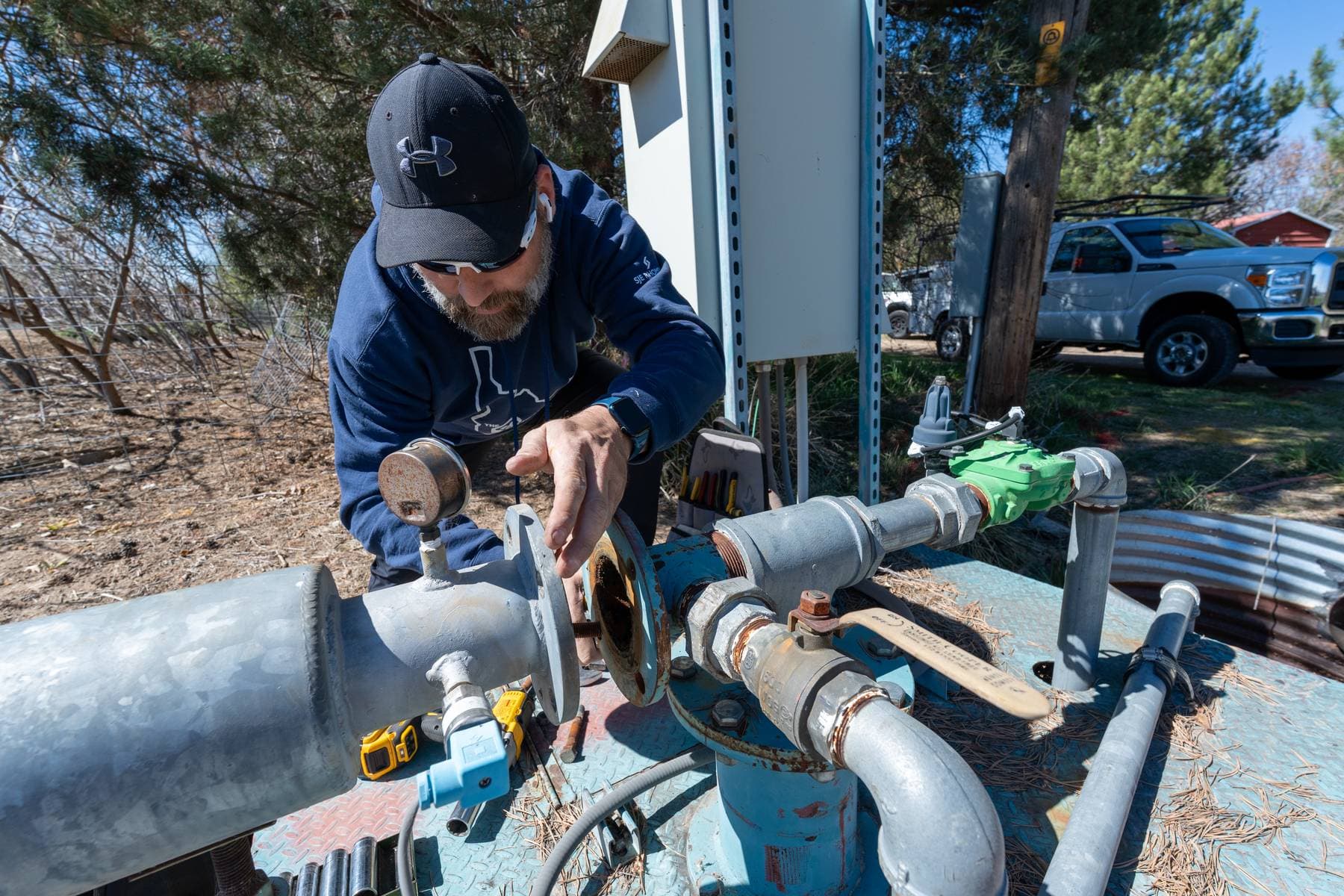
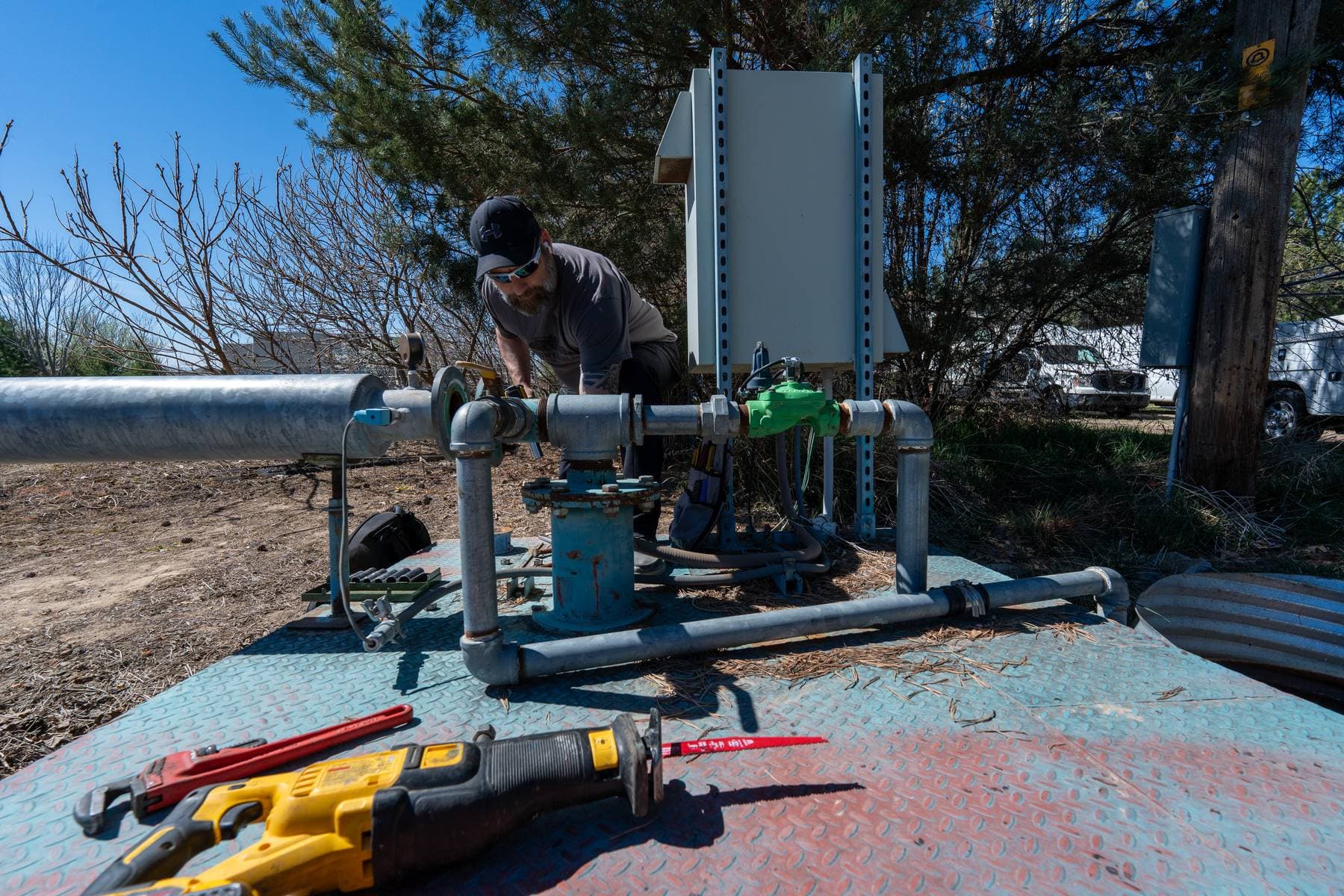
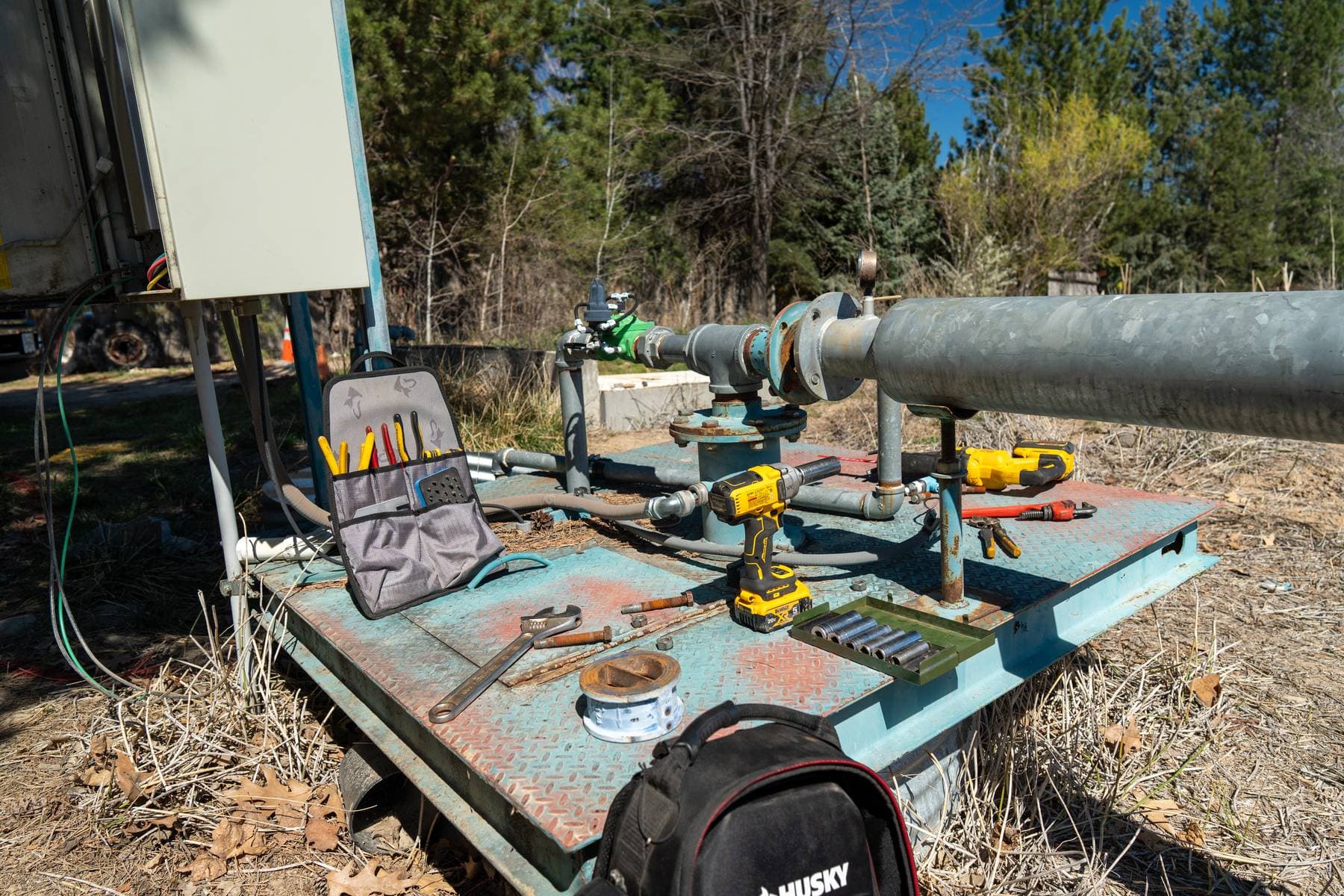
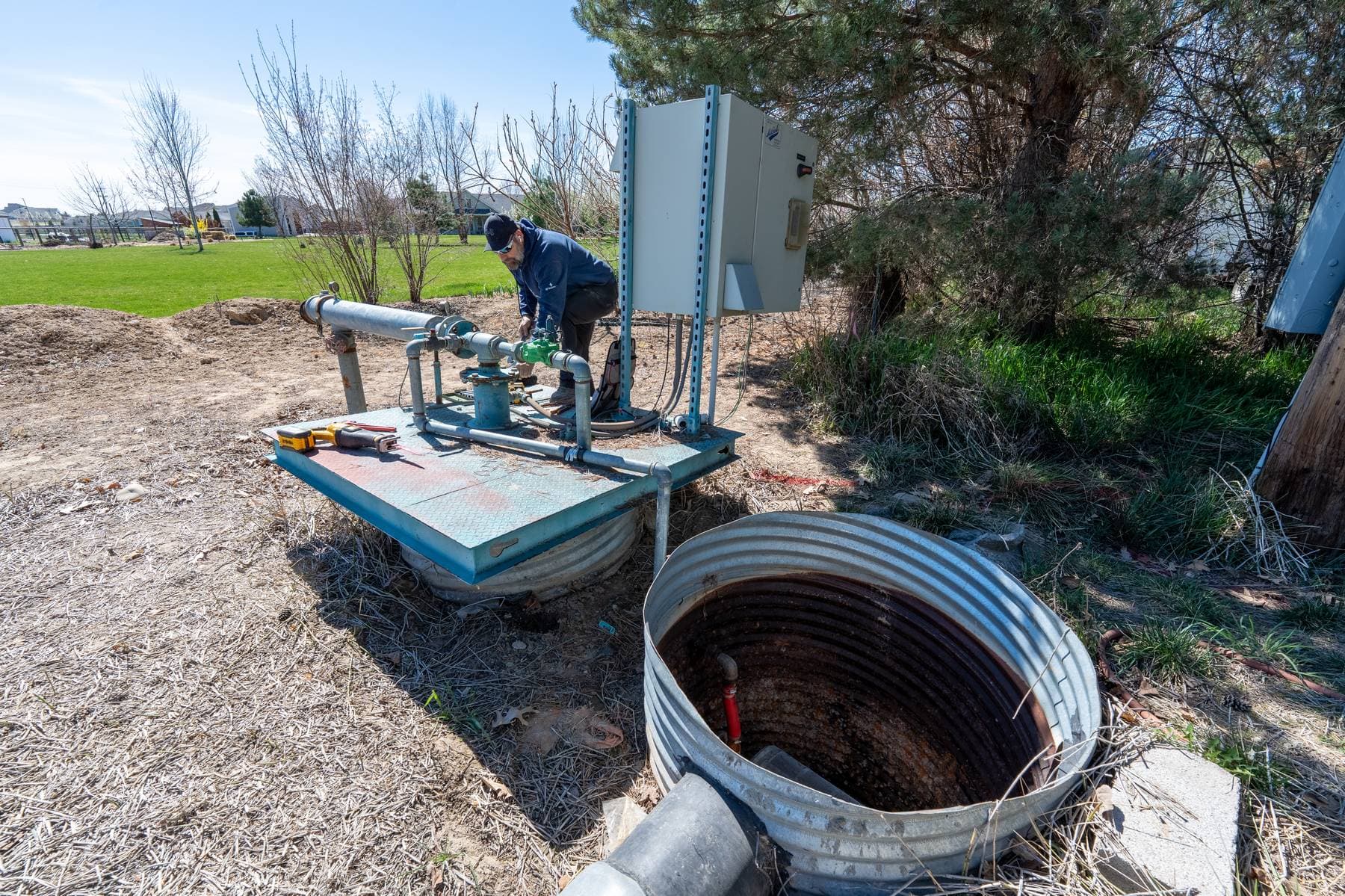
Well pump system upgrades require expertise in hydraulics, electrical systems, and local water conditions. Professional installation ensures optimal performance and protects your investment through proper system design and implementation.
System Design Considerations
Every property has unique water requirements and site conditions that influence pump system design. Professional assessment considers factors like well depth and capacity, water quality, pressure requirements, and future expansion plans.
Proper system sizing prevents both oversized equipment that wastes energy and undersized systems that struggle to meet demand.
Installation Quality Impact
Pump system performance depends heavily on installation quality. Professional installation includes proper electrical connections, pressure tank sizing, and system controls that maximize equipment life and efficiency.
Experienced installers understand local permitting requirements and safety codes, ensuring your upgraded system meets all applicable regulations.
Making the Upgrade Decision
The decision to upgrade aging well pump systems ultimately comes down to comparing the known costs of new equipment against the unknown timing and expense of emergency repairs and operational disruptions.
For most Idaho agricultural operations and rural properties, systems over 15 years old with increasing maintenance requirements represent prime candidates for proactive replacement. The combination of improved efficiency, enhanced reliability, and predictable costs typically justifies the investment within the first few years of operation.
The infrastructure demands driving 6% annual growth in pump services won't slow down. Aging systems will continue requiring more attention and delivering less reliable performance. The question is whether you'll address these needs on your schedule or wait until equipment failure forces immediate action.
Strategic well pump upgrades transform aging liabilities into modern assets that support efficient operations for decades to come. In Idaho's demanding agricultural environment, that transformation represents both financial wisdom and operational necessity.