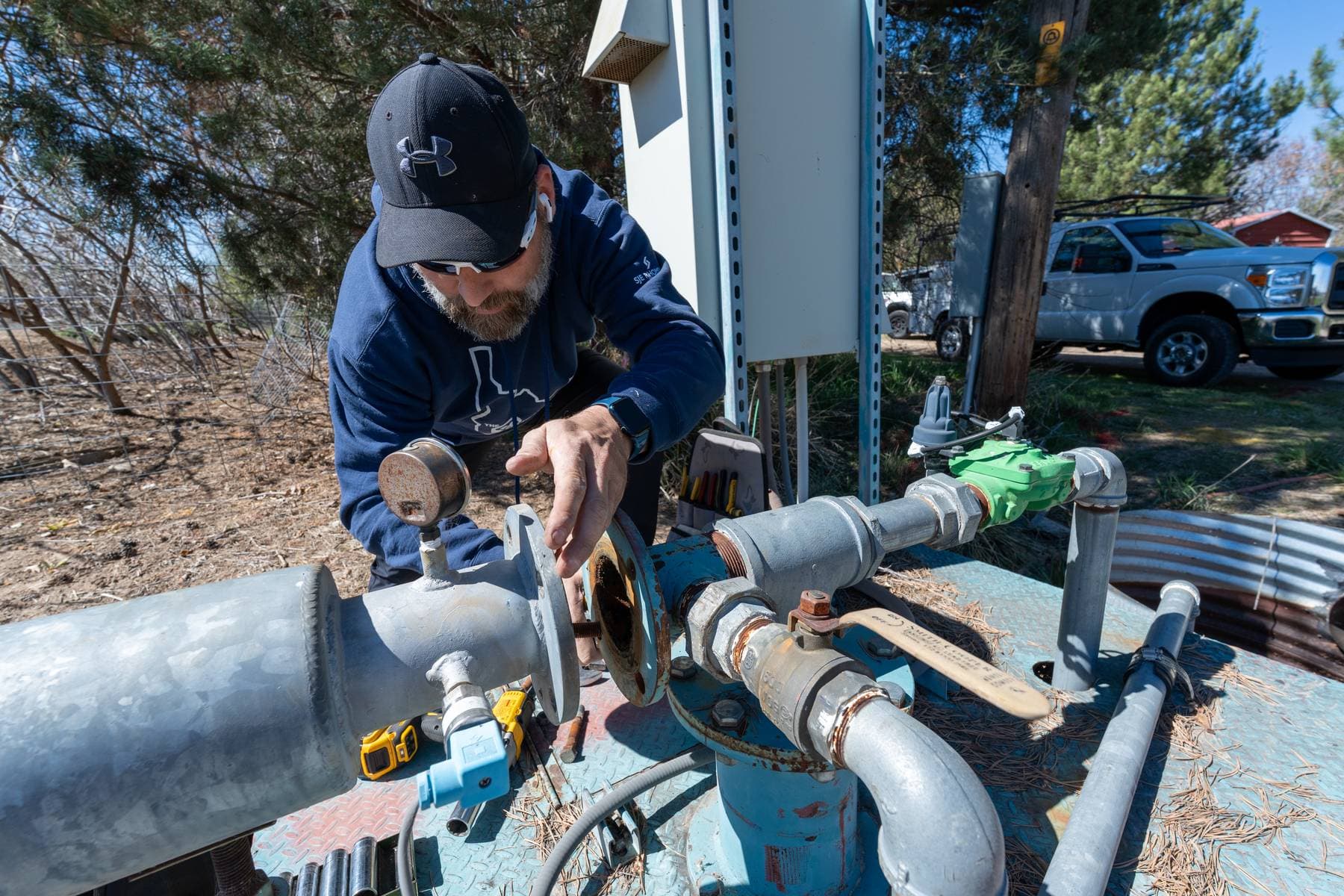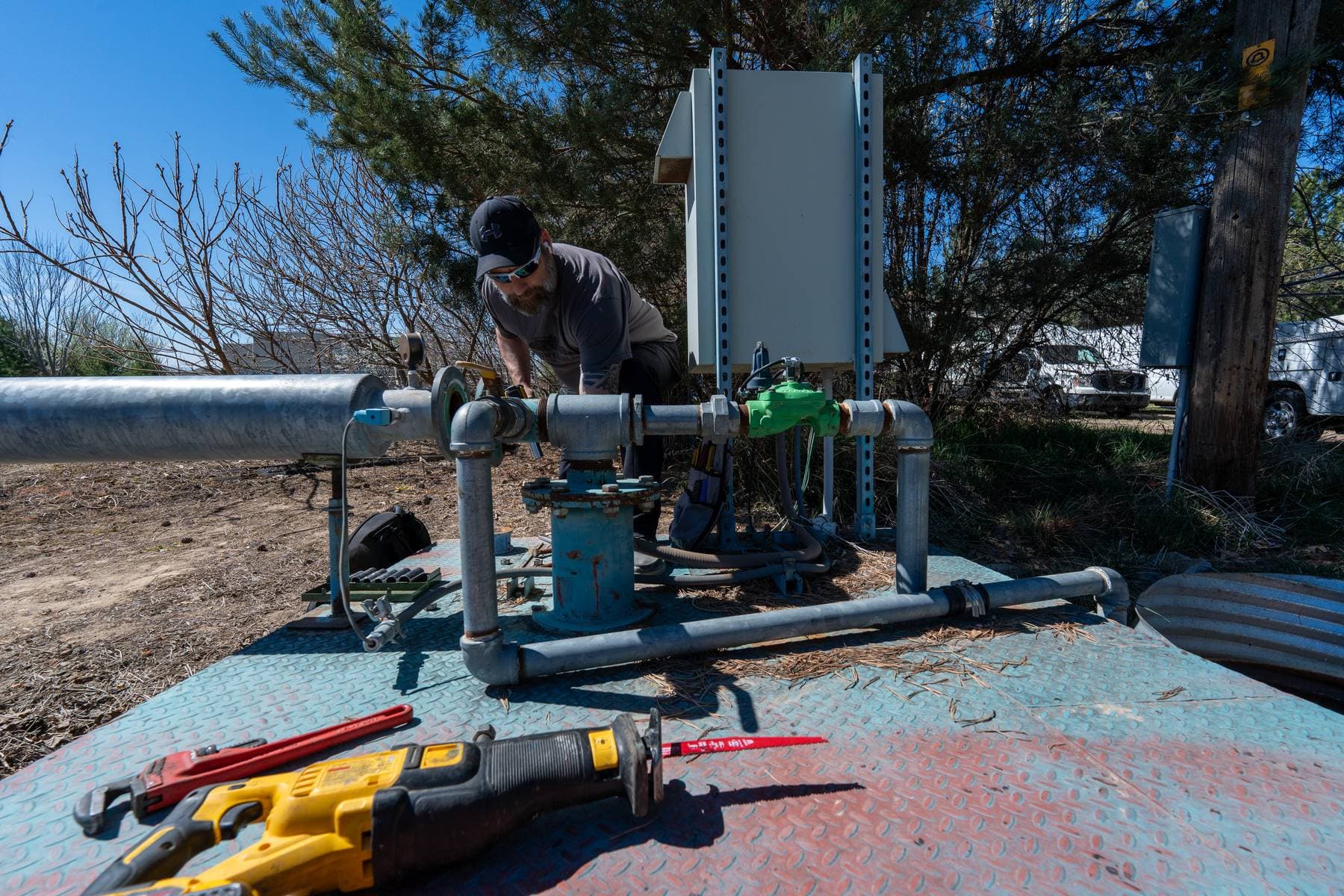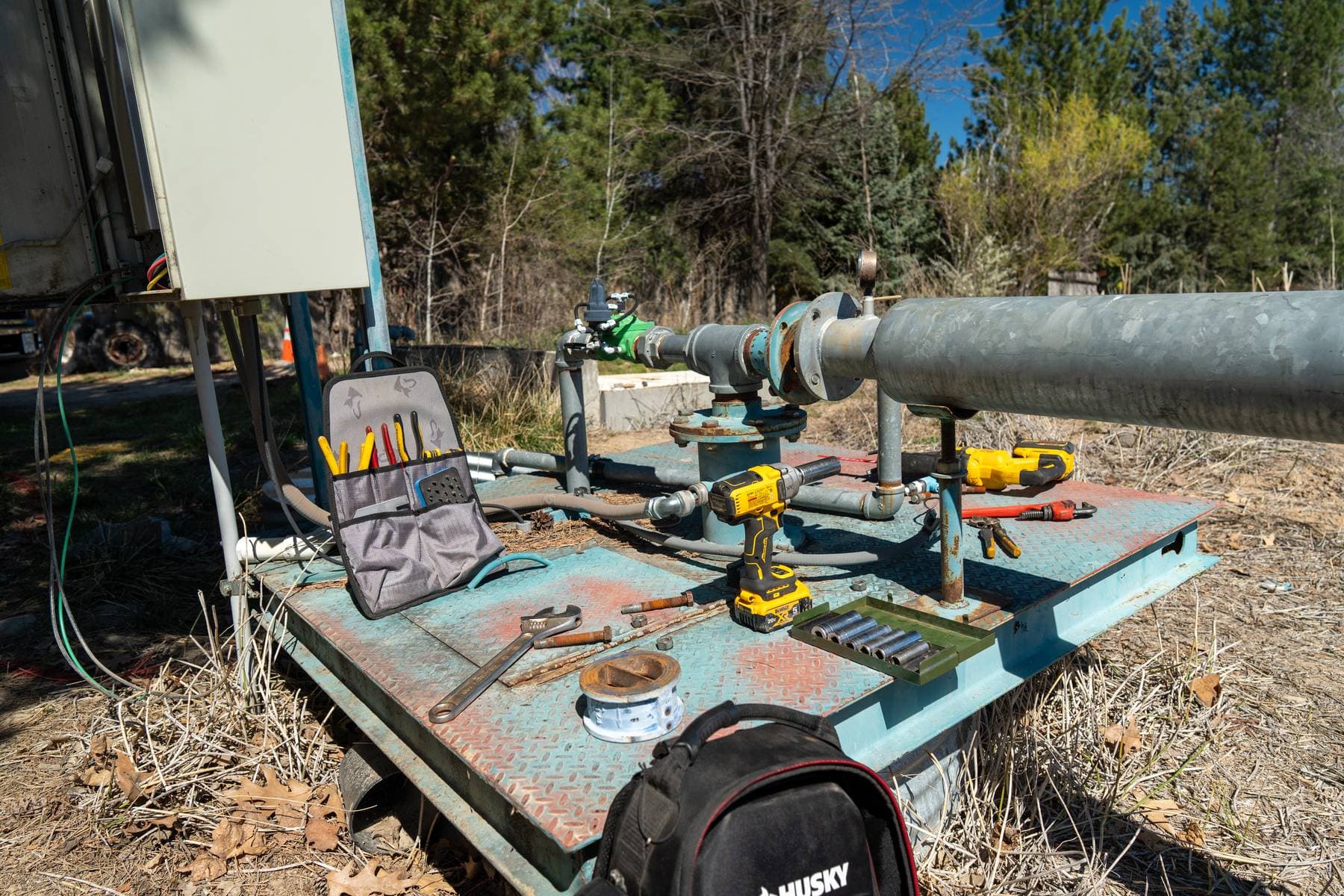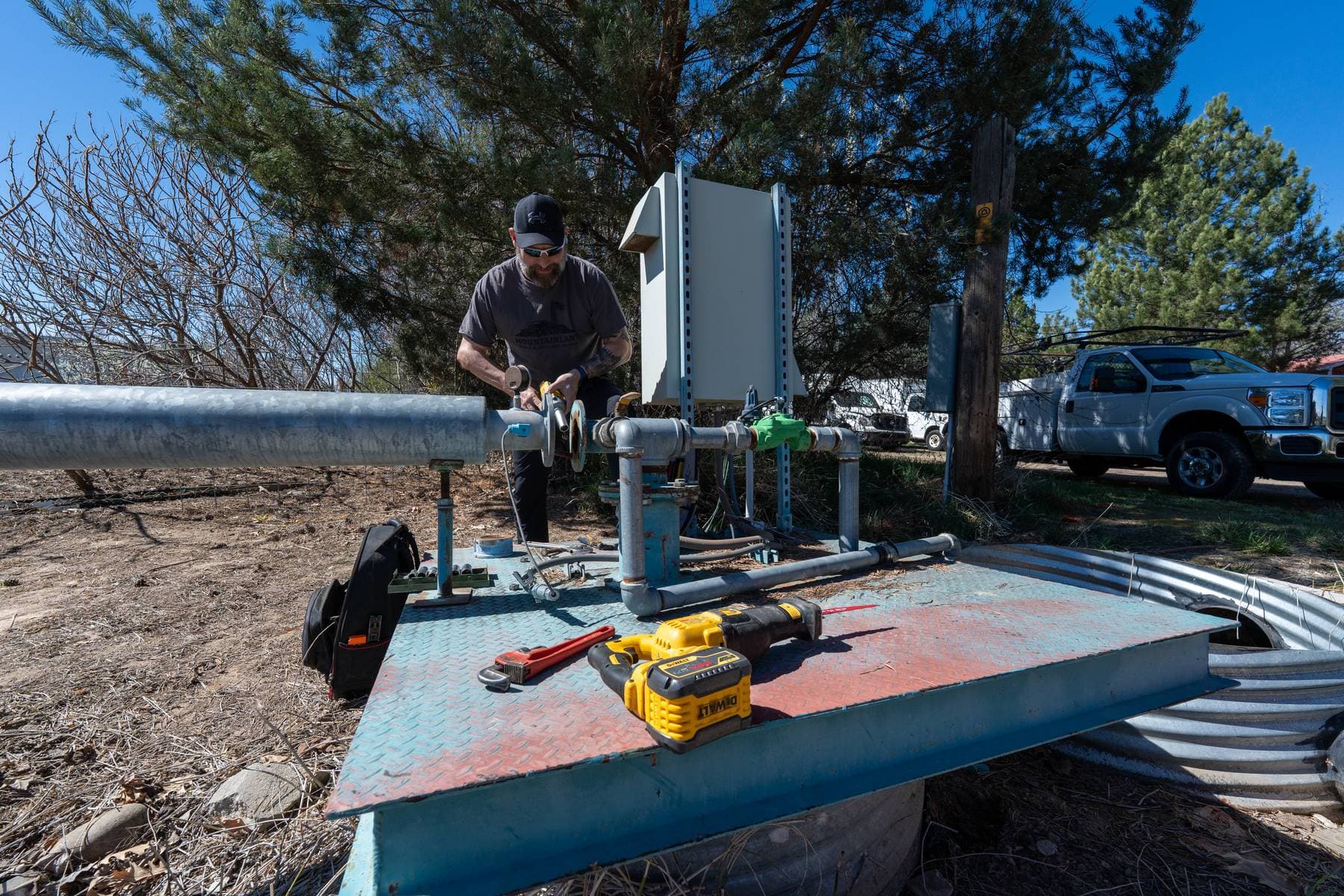
When your well pump fails at a rural property in Idaho, the service experience looks quite different from what suburban homeowners might expect. From the rolling hills of Gem County to the agricultural valleys around Twin Falls, rural pump service involves unique logistical considerations that directly impact response times, service approaches, and overall project timelines.
Understanding these rural service realities helps property owners prepare appropriately and set realistic expectations when pump problems arise.
Geographic Challenges That Shape Rural Service
Idaho's rural landscape presents specific challenges that don't exist in suburban Boise or Meridian neighborhoods. Properties spread across acres rather than city lots, with pump systems often located hundreds of yards from the nearest road access.
Site Access and Equipment Transport
Rural properties frequently require service trucks to navigate gravel roads, seasonal mud, or uneven terrain to reach well sites. This affects both response timing and the type of equipment contractors can bring on-site. A pump replacement that might take two hours in suburban Nampa could require additional time for equipment staging and site preparation in rural Canyon County.
Well sites tucked behind barns, across irrigation ditches, or up hillside locations may need alternative access routes during wet seasons. Smart rural property owners maintain clear access paths and communicate specific directions when scheduling service calls.
Distance Between Properties and Service Providers
Contractor availability naturally decreases as distance from population centers increases. While Treasure Valley residents might have multiple pump service options within 20 minutes, rural property owners in areas like Council or Weiser work with fewer contractors covering larger territories.
This geographic reality means rural service calls often involve longer travel times built into scheduling. A contractor serving both Caldwell and rural Owyhee County properties might batch service calls by region, affecting availability for urgent non-emergency repairs.
Response Time Expectations in Rural Areas
Rural well pump service follows different timing patterns than urban plumbing or suburban pump repairs. Several factors influence how quickly service arrives at remote Idaho properties.
Emergency vs. Routine Service Timing
True emergencies—complete water loss affecting livestock, dairy operations, or household health and safety—typically receive priority scheduling regardless of location. However, "same-day" emergency service in rural areas might mean arrival within 4-6 hours rather than the 1-2 hour windows common in suburban markets.
Routine maintenance, non-critical repairs, and system upgrades often get scheduled during regular service routes. Rural properties may wait 3-7 days for non-emergency service calls, especially during peak seasons when agricultural pump demands increase contractor workloads.
Seasonal Demand Patterns
Idaho's agricultural calendar directly impacts rural pump service availability. Spring irrigation startup, summer peak pumping season, and fall harvest create predictable busy periods when routine service calls take longer to schedule.
Rural property owners benefit from scheduling preventive maintenance during off-peak months (late fall through early spring) when contractor availability improves and response times decrease.
Weather and Road Conditions
Idaho weather affects rural service access more dramatically than urban areas. Spring mud season, winter snow, or heavy rain can delay service calls to properties with challenging access routes. Experienced contractors maintain weather contingency policies and communicate realistic arrival windows based on current conditions.
Service Approach Differences in Rural Settings
Rural well pump service requires different preparation, equipment, and problem-solving approaches compared to suburban installations.
Diagnostic Process and Site Assessment
Rural pump problems often involve more complex diagnostic work due to longer water lines, multiple distribution points, and integration with irrigation or livestock watering systems. Properties with 500-foot+ well depths, booster systems, or multiple pumps require more thorough initial assessment.
Contractors serving rural Idaho properties typically allow extra time for system evaluation, especially on first-time service calls where they're unfamiliar with the specific installation layout.
Parts and Equipment Considerations
Rural service calls happen farther from supply sources, making parts availability planning more critical. Contractors can't quickly return to town for additional fittings or components without significant travel time.
Experienced rural pump contractors stock comprehensive parts inventories on service trucks and communicate parts requirements clearly before scheduling appointments. This preparation reduces multiple-trip scenarios that extend project timelines.
Power and Utility Coordination
Rural Idaho properties often deal with different electrical service characteristics—single-phase power limitations, longer electrical runs, or unique grounding requirements that don't exist in suburban developments.
Pump service in rural areas may require coordination with rural electric cooperatives rather than Idaho Power, affecting timelines for electrical work or service upgrades.
What Rural Property Owners Should Expect
Understanding rural service realities helps property owners prepare effectively and work productively with pump contractors.
Initial Service Call Preparation
Rural property owners should provide detailed location information, access route descriptions, and specific problem symptoms when scheduling service. Clear directions from main roads, gate codes, and seasonal access limitations help contractors arrive prepared with appropriate equipment.
Having power available at the well site, clearing access routes, and securing any livestock or farm equipment near the work area streamlines the service process.
Communication and Scheduling Flexibility
Rural service often requires more flexible scheduling due to travel logistics, weather dependencies, and the batching of service calls by geographic region. Property owners who can accommodate wider scheduling windows often receive faster service than those requiring specific appointment times.
Maintaining open communication with contractors about urgency levels helps prioritize truly critical repairs while managing expectations for routine maintenance work.
Cost Considerations Unique to Rural Service
Rural pump service typically includes travel time and mileage costs that don't apply to suburban service calls. These charges reflect the real costs of providing service across Idaho's vast rural areas and help contractors maintain service availability for remote properties.
Some contractors offer reduced travel charges for multiple services performed during single visits, making it cost-effective to bundle routine maintenance with repair work.
Planning for Reliable Rural Water Systems
Rural Idaho property owners can take specific steps to minimize service disruptions and optimize their working relationships with pump contractors.
Preventive Maintenance Scheduling
Regular maintenance becomes more important in rural settings where service delays have greater impact. Annual system inspections, scheduled during contractors' less busy seasons, help identify potential problems before they cause complete system failures.
Rural properties benefit from maintaining basic backup water storage and having emergency contact information readily available for after-hours pump failures.
Building Contractor Relationships
Establishing relationships with reliable pump contractors before problems arise pays dividends in rural areas. Contractors familiar with specific property layouts, system configurations, and access requirements provide more efficient service than those encountering the site for the first time during emergency calls.
Working Effectively with Rural Pump Service Providers
Successful rural pump service depends on realistic expectations, clear communication, and understanding the unique logistics involved in serving Idaho's rural communities.
While rural pump service operates differently than suburban alternatives, experienced contractors understand these challenges and structure their operations to provide reliable service across Idaho's diverse geography. Property owners who understand rural service realities and prepare accordingly typically experience smoother service interactions and better long-term system reliability.
Rural Idaho's water systems support everything from family homes to large-scale agricultural operations. Working with knowledgeable pump contractors who understand rural service requirements ensures these critical water systems receive appropriate maintenance and repair attention, regardless of their remote locations.